Wondering what languages are spoken in Portugal?The official language is Portuguese, but many people also speak English, Spanish, and even French.In this guide, you’ll learn about the main language in Portugal, regional languages, and what to expect when communicating as a visitor.
Table of Contents
What Languages Are Spoken in Portugal? Discover the Main Language – Portuguese
Portuguese is the official and most widely spoken language in Portugal. It is used in government, education, media, and daily communication.
Although nearly everyone speaks Portuguese, you’ll notice regional accents and variations depending on where you are in the country.
Is Portuguese from Portugal similar to Portuguese from Brazil?
Portuguese spoken in Portugal and Brazil is the same language, but there are differences in grammar, vocabulary and particularly in pronunciation. European Portuguese tends to sound faster and more compressed while Brazilian Portuguese is often considered clearer and more open in pronunciation.
Because Brazilian culture (music, tv shows, and movies) is widely consumed in Portugal, Portuguese people generally understand Brazilian Portuguese quite well. On the other hand, Brazilians may initially find European Portuguese harder to understand.
Portuguese is also spoken in several other countries, including Angola, Cabo Verde and Mozambique, with variations across each region.
Is Portuguese more like French or more like Spanish?
Portuguese is closer to Spanish in terms of vocabulary and grammar. However, pronunciation differs significantly, which can make spoken Portuguese harder for Spanish speakers to understand at first.
French has also influenced Portuguese vocabulary. For example, the Portuguese use the words ballet, café, chic, and animal. Older generations in Portugal are more likely to speak French because it was taught as a second language during their time (before English became more popular).
All three languages share latin roots, but they evolved differently over time.
French can be tricky to learn due to the many irregular verbs, but Portuguese are used to this type of verb conjugation systems. Actually, French is still taught in schools, mandatory or optional depending on the school. It is usually French or Spanish, as a third language, and English as a second language.
What Languages Are Spoken in Portugal other than Portuguese
Mirandese language (a regional language)
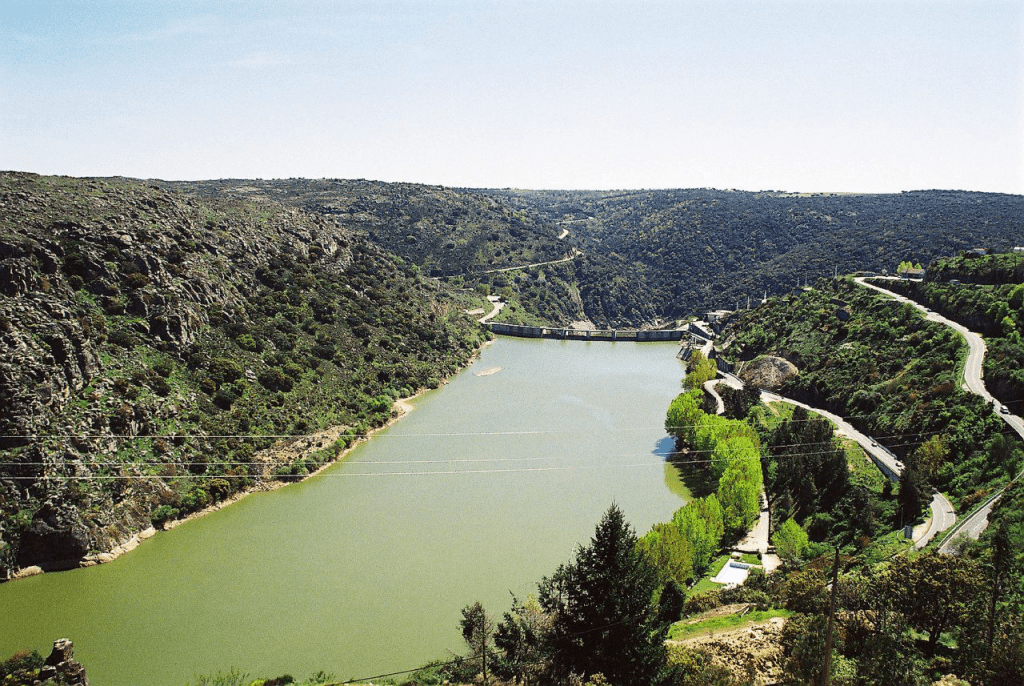
Mirandese is a recognized regional language spoken in the northeast of Portugal, particularly in the area of Miranda do Douro.
The population of the region of Miranda do Douro celebrates the Mirandese Language on the 17th of September. This language has existed for many centuries. One of its first ever written forms is present in the surviving 12th century documents. In the 15th century, with the economic growth and demographic evolution of Miranda do Douro, Portuguese was used instead of Mirandese.
At the start of the 20th century, the interest in Mirandese seemed to increase and many studies of the language were made by Portuguese and foreign investigators. Some years later in the 1980s, after the dictatorship, it was finally introduced in local schools.
Want to learn a few words of Mirandese?
It is kind of similar to Portuguese and Spanish.
- Buonos dies (Mirandese) = Bom dia (Portuguese) = Good morning
- Oubrigado (masculine – mirandese) = Obrigado (masculine – portuguese) = Thank you
- Oubrigada (feminine – mirandese) = Obrigada (feminine – portuguese) = Thank you
Other languages you may hear in Portugal
- English (widely spoken, especially in cities and tourist areas)
- Spanish (especially near border regions)
- French (more common among older generations)
Due to immigration, languages such as Ukrainian and Cape Verdean Creole can also be heard in some communities.
Can I speak English in Portugal?
Yes, English is widely spoken in Portugal, especially among younger people and in major cities like Lisbon and Porto.
Portugal consistently ranks among the top countries in Europe for English proficiency. In schools, English is taught from an early age as a second language.
In rural areas or among older generations, English may be less common, so knowing a few basic Portuguese phrases can be helpful.
How can I Say Hi in Portugal? And other Portuguese phrases.
If you’re visiting Portugal (especially in rural areas), learning a few basic phrases can make your experience much smoother.
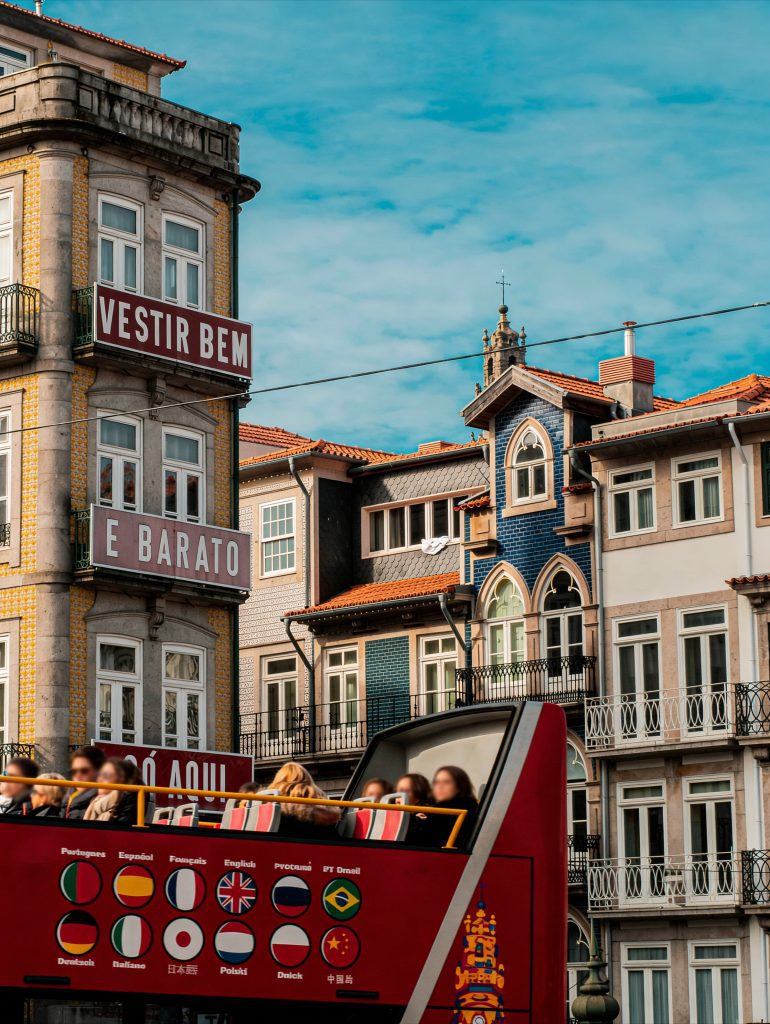
Greetings:
- Olá = Hello/Hi
- Bom dia = Good Morning
- Boa tarde = Good Afternoon
- Boa noite = Good night
Politeness:
- Por favor = Please
- Muito Obrigado (if you are a male)/ Muito Obrigada (if you are a female) = Thank you very much
- De nada = You are welcome
- Desculpe incomodar = Sorry to bother you
Useful phrases:
- Pode-me ajudar por favor? = Can you help me please?
- Onde fica…? = Where is?
- Que horas são por favor? = What time is it please?
- Qual é o horário? = What is the schedule?
⚠️Emergency phrases:
- Posso ajudá-lo (to a male) / ajudá-la (to a female)? = May I help you?
- Preciso de ajuda! = I need help!
- Não me estou a sentir bem = I’m not feeling well
- Perdi a minha carteira! = I lost my wallet!
- Há um hospital perto daqui? = Is there a hospital nearby?
- Chame uma ambulância! = Call an ambulance!
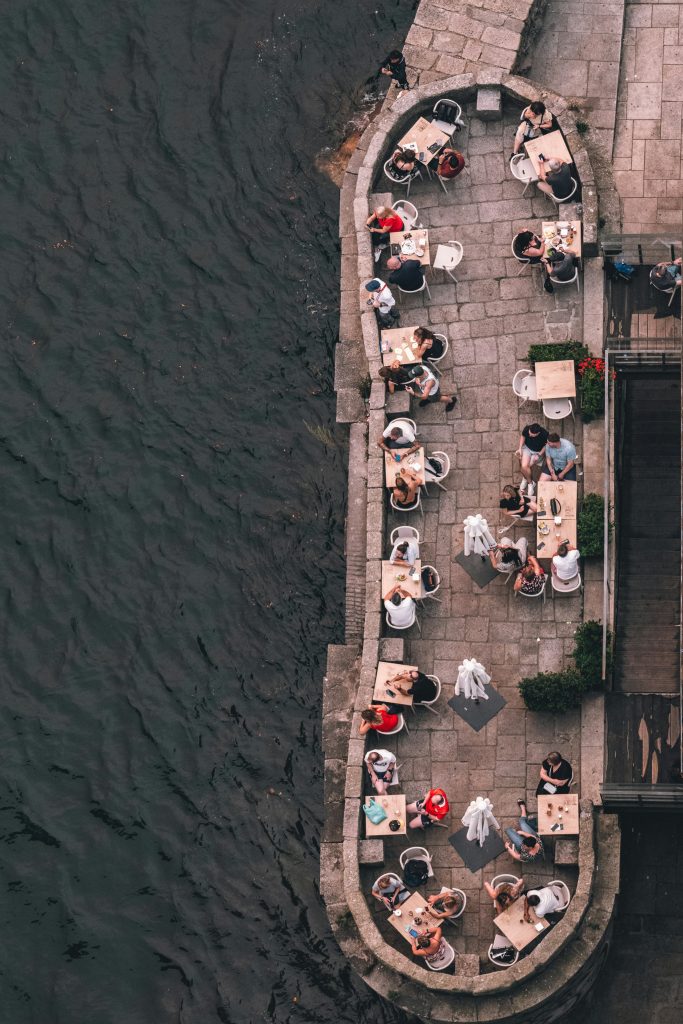
Buying
- Quanto custa isto? = How much is this?
- Tem troco? = Do you have change?
Eating/Drinking
- Queremos ver o Menu por favor = We want to see the Menu please
- Estava tudo muito bom! = Everything was really good!
- Uma água por favor = A water please
- Gostávamos de escolher um vinho por favor = We would like to choose a wine please
- A conta por favor = The bill please
- Pequeno-almoço = Breakfast
- Almoço = Lunch
- Jantar = Dinner
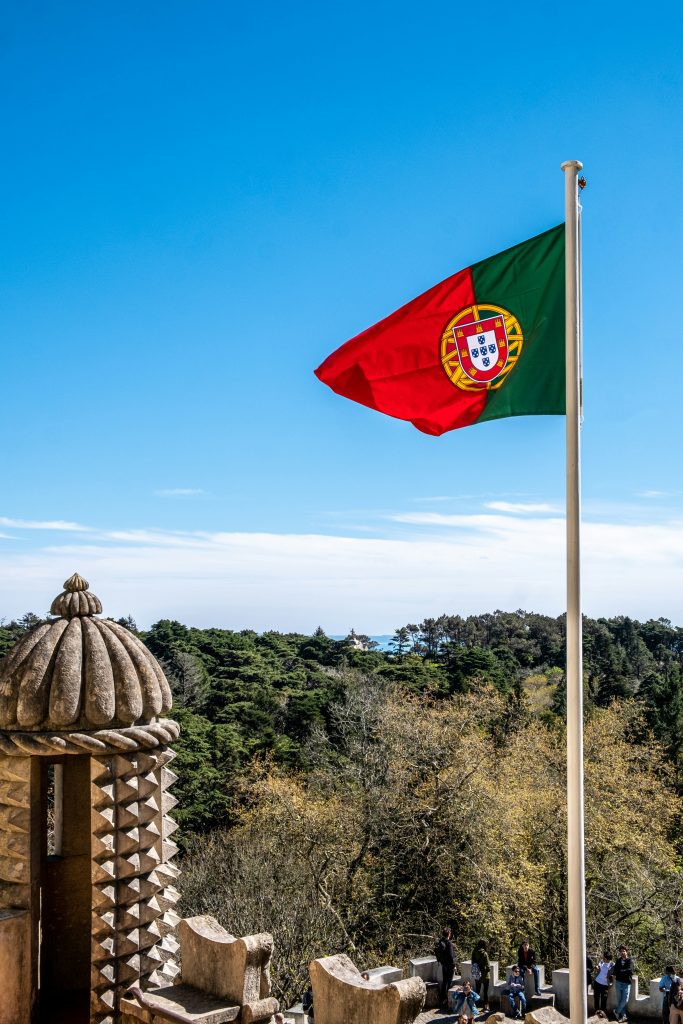
Other relevant questions/phrases/words
- Sim = Yes
- Não = No
- Pode repetir? = Can you repeat?
- Pode-me chamar um táxi? = Can you call me a taxi/cab?
- Amanhã = Tomorrow
- Ontem = Yesterday
- Eu não entendo = I don’t understand
- Um = One
- Dois = Two
- Três = Three
- Quatro = Four
- Cinco = Five
- Pessoa = Person
- Pessoas = People
- Homem = Man
- Mulher = Woman
- Criança = Kid/Child
Fun facts about the Portuguese language🤔
- Portuguese is one of the most spoken languages in the world. It is spoken by more than 250 million people!
- Some regional accents in Madeira and Azores can be more challenging for learners to understand.
- English is popular and understood well by the Portuguese. One of the reasons is due to the fact that all American and English shows have subtitles in Portugal, instead of being dubbed in Portuguese. The Portuguese are used to hearing English, especially the younger generation.
If you’re visiting Portugal, learn how to get here.