Hidden dangers in Portuguese beaches
The bathing season has started on many Portuguese beaches across Portugal. As anyone knows, there are normal precautions to take when entering the sea or strolling along the beach.
However, there are some new dangers in Portuguese beaches. This year’s storms have changed the coastline and swimming in the ocean has become more dangerous in certain areas and beaches.
Learn more below!
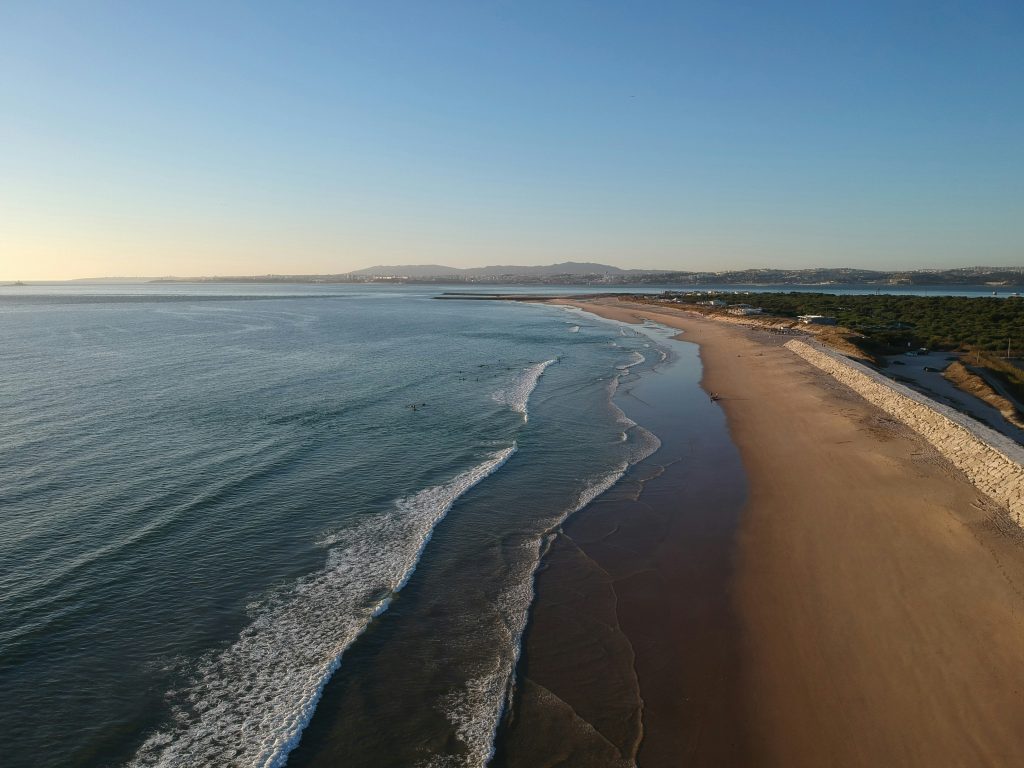
Table of Contents
What have storms done to the coast in Portugal?
During the first months of 2026, the extreme weather, including heavy rain, strong winds and rough sea conditions, has altered the Portuguese coastline. This also changes the deep waters, the steep slopes, the eddies, and the currents. Rip currents are one of the main reasons for drowning in Portugal.
What are these rip currents? In summary, these are currents that flow away from the shoreline towards the ocean, perpendicular or at an acute angle to the shoreline. They form along the coastline, due to wave action and the topography of the seabed. They can occur near jetties, rocky outcrops, or along beaches. These currents can be very strong, dragging unsuspecting swimmers away from the shore into deeper waters.
Therefore, authorities are warning locals and tourists to these dangers. Certain beaches, like Praia da Fonte da Telha, have new rip currents that formed after storms reshaped the seabed and coastline.
A clear example of these dangerous currents can be seen in the Costa da Caparica beach area in Almada, where there has been a number of rescues this month.
However, these are not the only beaches affected. The storms affected coastlines from north to south of Mainland Portugal, as well as, to some degree the islands.
For example, according to the news, thirty-five Algarve beaches were impacted by the winter storms, causing, primarily, instability in the cliffs and the retreat of the beach.
Other dangers in Portuguese beaches
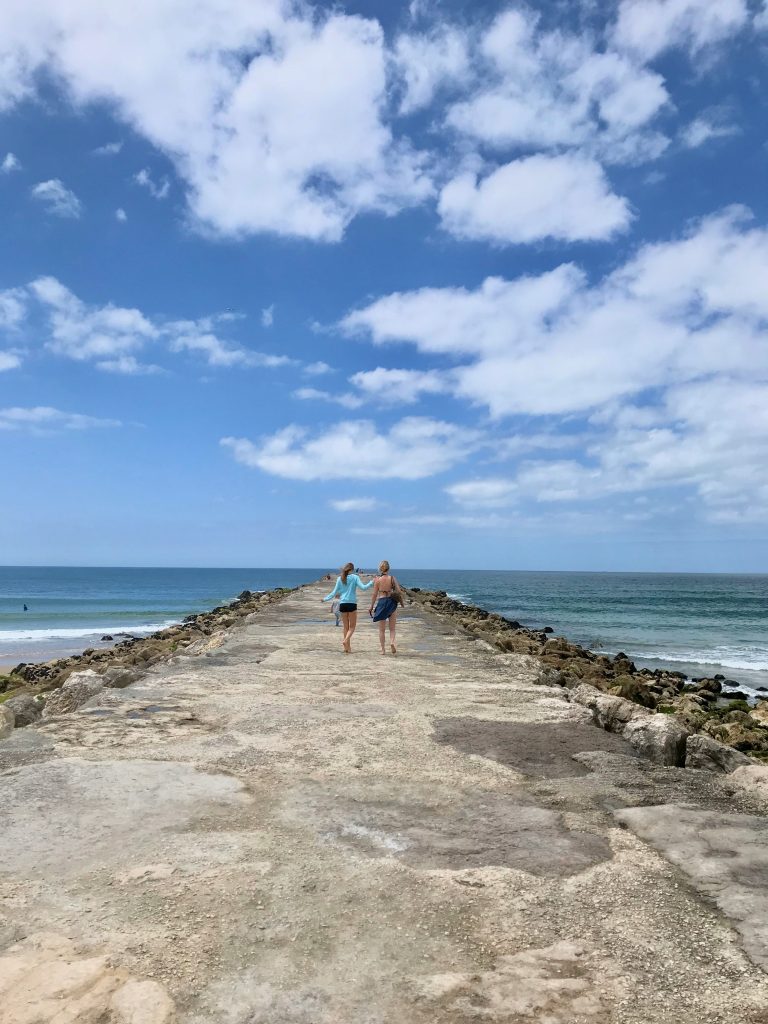
- Rip tides and strong ocean currents
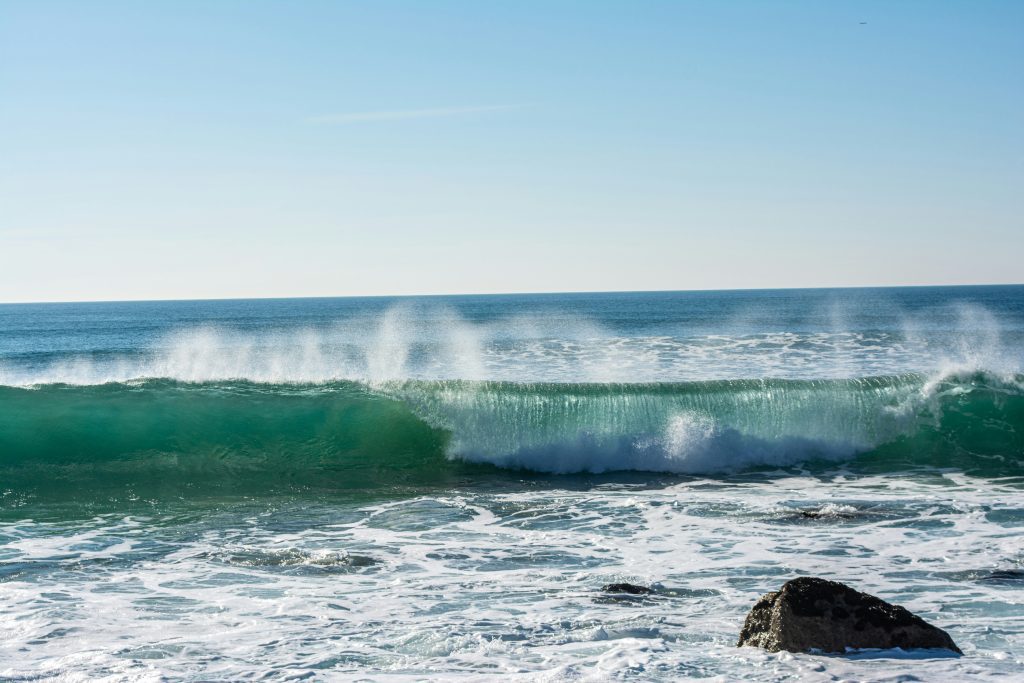
- Unexpectedly large waves and shore breaks (when waves break directly on the shore/sand)
- Slippery rocks, eroding cliffs, and other risks associated with rock formations and caves
- Sudden depth changes in the sea
- Excessive sun exposure, or during peak heat hours, can lead to dehydration, and heatstroke
- Some beaches do not have lifeguards (or small number of them)
- Peak season (July and August) can make it difficult for lifeguards to watch all of the people
For this reason, take the necessary safety precautions and follow the authorities recommendations (e.g how to get out of a rip current) and lifeguards directions, including the areas where you should and should not swimming.
Then, relax and have fun at the beach!
Discover the best beaches in Portugal