The Hot weather is back and so are the Summer drinks in Portugal. Discover 4 popular drinks for your next summer vacation in Portugal, plus some extra traditional drinks.
Most of the drinks are originally Portuguese. Some have alcohol, others do not.
Table of Contents
4 Drinks in Portugal for Summer (& some extra ones)
Laranjada or Orange juice
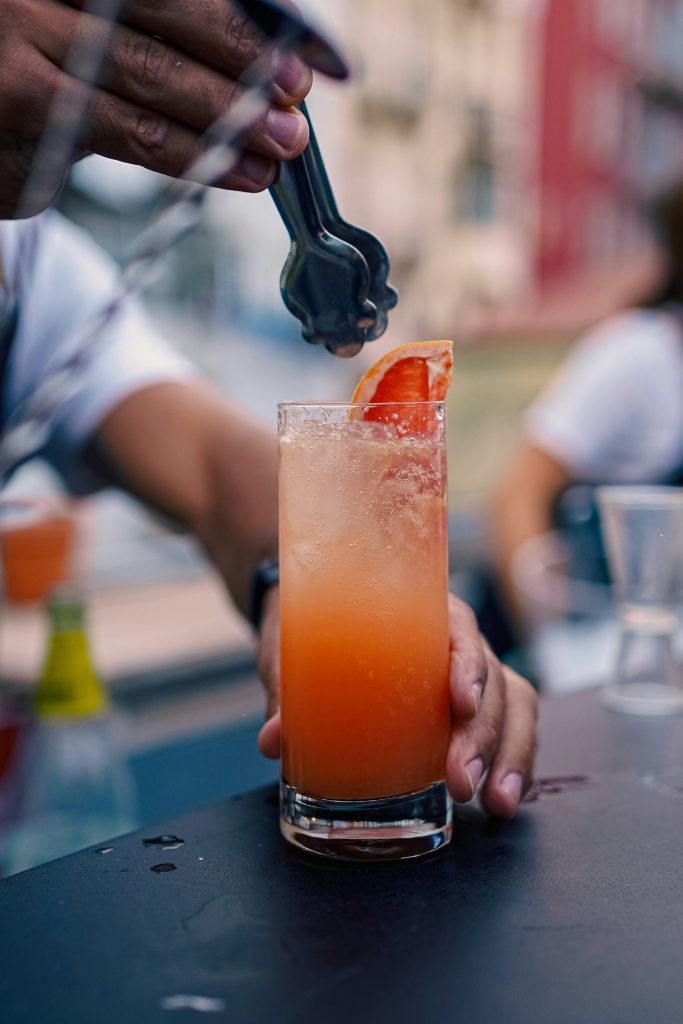
Laranjada is a fizzy drink created in 1872. It is a strongly carbonated, soft drink with a distinctive bright orange color and a pronounced orange peel aroma and flavor found in Madeira.
Actually, it was created in Madeira, but soon other parts of Portugal started producing similar drinks.
For generations, Laranjada has been a popular refreshment during the warmer months, offering a sweet and citrusy alternative to other soft drinks.
Thanks to Portugal’s long tradition of citrus cultivation, particularly in regions such as Madeira and Algarve, orange-based drinks have remained a staple of Portuguese summers.
Other alternative drinks in Portugal
- Orange-based cocktails (with or without alcohol)
- Compal de Laranja do Algarve: If you’re looking for a fruitier and less fizzy option, try Compal de Laranja do Algarve. Made with Oranges from the Algarve region, it offers a rich, natural orange flavor. There are other types of Compal drinks in Portugal.
- Orange Juice: Simple orange juice is as good as it gets and more healthy. You can ask for it cafés with a bit of ice.
Mazagran
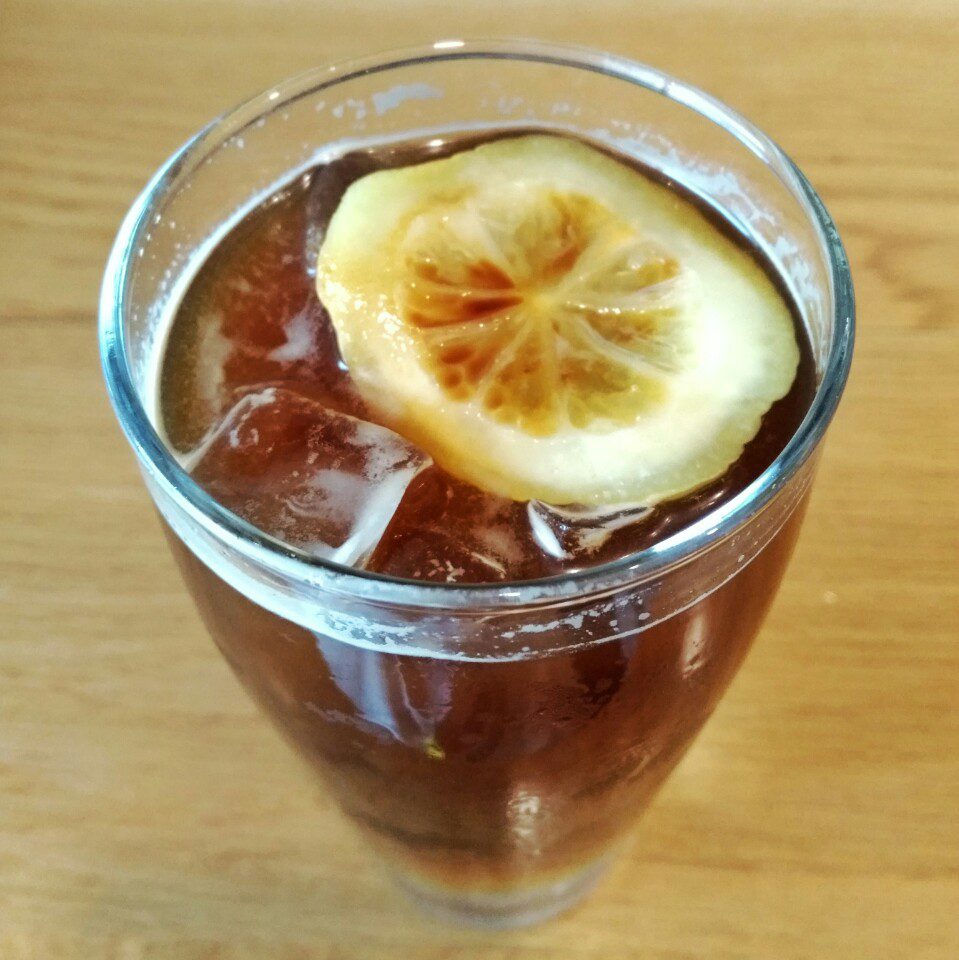
Even though the original recipe came from Algeria, it became a popular drink in Portugal. The word Mazagran is said to have been inspired by an Algerian fortress with that name.
Later, Portuguese people introduced their own version.
Let’s start with the basic ingredients. Mazagran is a coffee based drink with lemon juice, and sugar/syrup (some people add mint).
In the 19th Century French soldiers in Algeria would add alcohol like rum.
It is usually served cold, with ice, during the Summer. You can try it in some cafés. Even though, it is not as popular as it was in the 60s and 70s, it still is a Summer staple.
Other cafés in Portugal may serve similar drinks.
Poncha
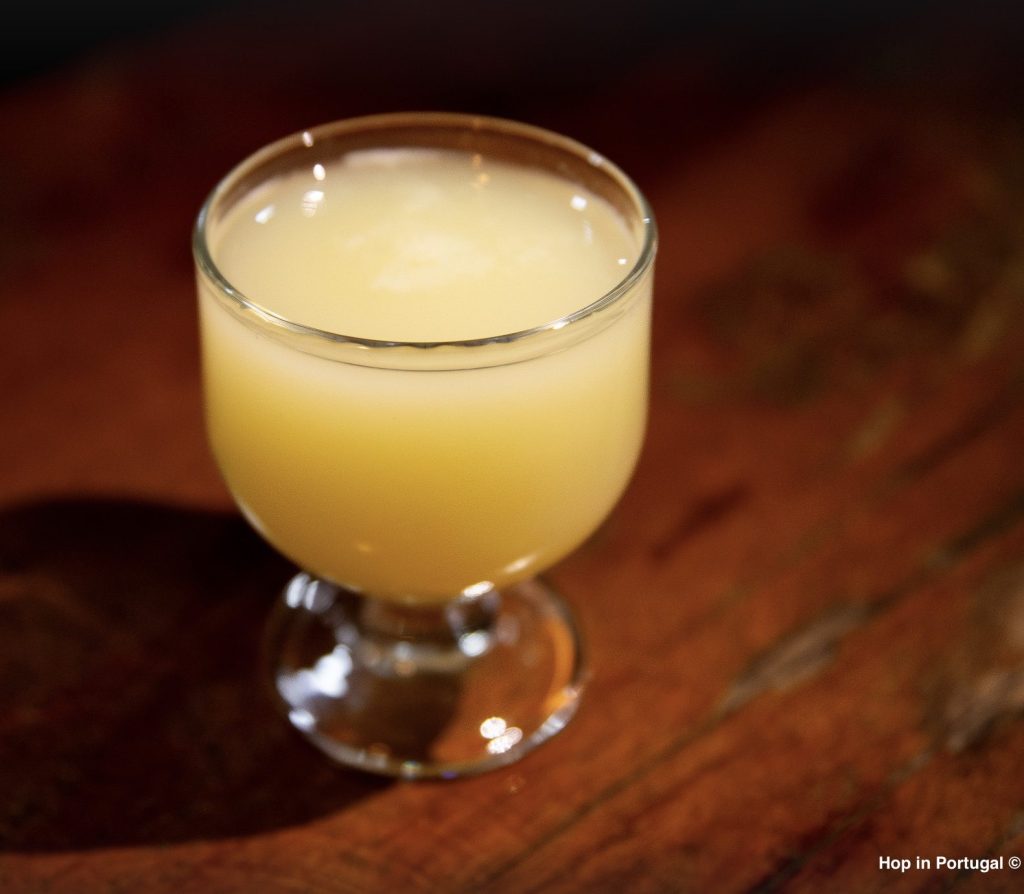
If you’re happening to be visiting Madeira, you may want to check out this alcoholic drink.
Not everyone will like it because it’s strong and sweet. The warmth comes from the rum that is then mixed with citrus juice, honey and sugar. The citrus juice is usually orange juice and lemon juice. However, some cafés only use one or the other.
Historically, Poncha was consumed by locals as a home-made remedy for colds. Of course, this was in the old-days and nowadays it is consumed as a normal alcoholic beverage. They are usually served in wood or simple glasses.
Non-alcoholic option: Pneu – similar to Lemonade, but made with sparkling water, lemon juice, and a bit of sugar.
Capilé
Capilé is a subtle and fresh Portuguese drink. It is kind of similar to mazagran but it appeared a century before it. This homemade drink’s recipe was created in the 18th century.
It all starts with a herbal tea made of leaves from a maidenhair fern plant called avenca or capilária. Sugar (and usually orange-blossom water) is added to the tea to produce a dark syrup. That syrup is diluted in water, put in the refrigerator to cool and served with ice and a lemon slice.
Taste this delicious, sweet drink in some Portuguese Cafés, or try to make it yourself! An alternative to capilé syrup is groselha syrup.
Note: Groselha is a small red berry, rich in vitamins and antioxidants used in cake, sweets and syrups. Around the 70s and 80s, you would usually hear Portuguese people talk about Gelado de Groselha (ice cream made of groselha).
⚠️Although once popular in Portugal, capilé is now relatively uncommon in bars and cafés. Those who still continue this tradition, usually buy the syrup and then make the drink at home.
Other Drinks in Portugal for colder seasons
Ginja
Whether you call it Ginja or Ginjinha, the popular Portuguese liquor is loved by many, including tourists. You’ll find this drink being sold in Lisbon and Óbidos. Usually, they are served in small chocolate cups that can be eaten after drinking the sweet ginginha.
It’s really delicious! However, you can get drunk fast, because there is a high alcohol percentage. The percentage of alcohol varies between 18% and 24%. Therefore, avoid drinking more than 2 cups.
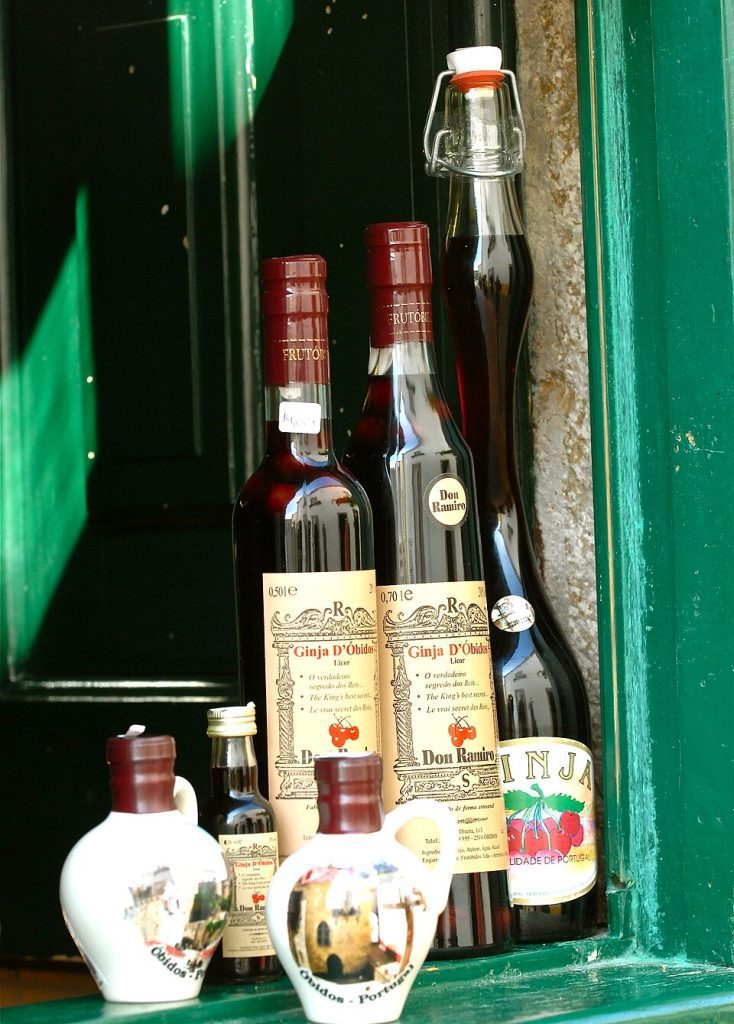
The actual Ginjinha is made of a fruit similar to cherry called Ginja. You could see it as a kind of acidic cherry that is too sour to be eaten naturally. In Portugal, it found fertile ground, especially in the regions of Alcobaça and Óbidos. It has been used to make jams and liquor. For the liquor, people add aguardente, sugar and a cinnamon stick.
There are many rumours of the original Portuguese recipe, but the main one states it surged by the hand of monks that came to Alcobaça in the 12th century. They already had a tradition of producing fruit liqueurs (including cherry) in their monasteries in France.
Azores Tea
In our list of popular drinks in Portugal, we needed to include this unique tea.
Azores Tea or Chá dos Açores is a unique form of tea and the only form that naturally grows in Portugal. On the island of São Miguel, you will find many tea plantations where you can smell the lovely aroma. Gorreana proudly represents itself as the oldest tea plantation in Europe (since 1883). The beautiful, green plantations offer leaves of Camellia sinensis, a small tree from the Theaceae family. They mainly produce two types of tea: green and black tea.
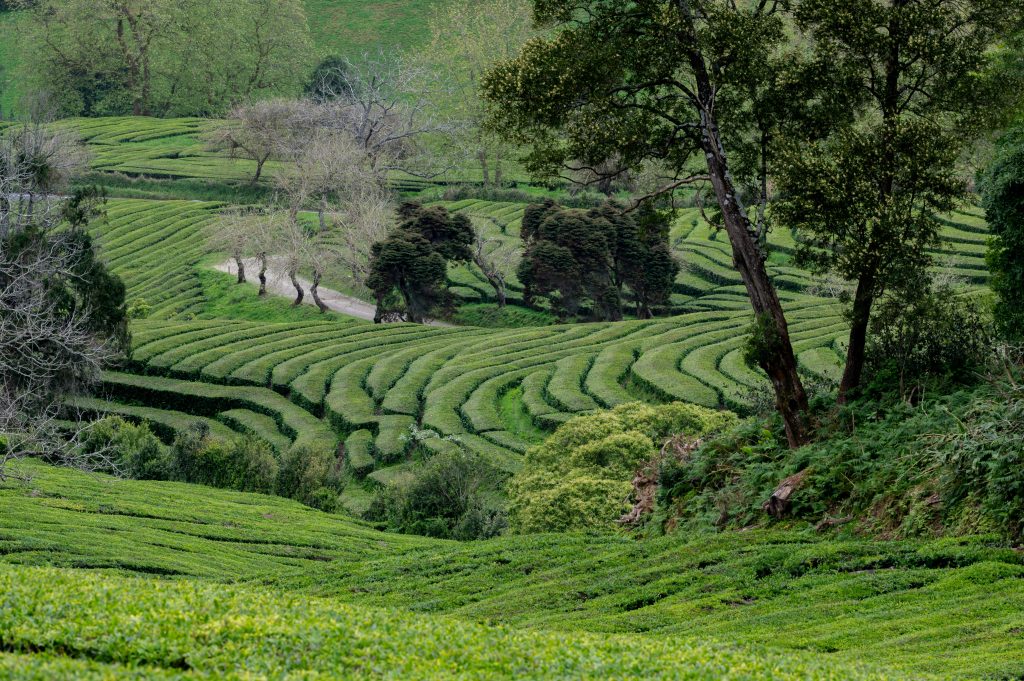
According to their website, to create black tea the leaves are wilted, rolled and partially crushed. Then, they go through a process of oxidation and drying. To get green tea, the leaves are wilted, and sterilized with water steam to avoid oxidation after rolling. Also, they state the quality of the tea is increased by the fact that they do not use chemical products in the plants.
Relax and drink a lovely tea from the clayey Azorian soil – a special taste carrying whispers of the volcanic earth.
Curious fact: Do you know how the Portuguese say tea?
Chá! 🫖
The theory is that this word came from the Cantonese dialect. During the 16th century, the Portuguese used the word Chá when importing the tea from Macau (China). The word tea comes from another Chinese dialect and presumably the word “Té”.
Lay back, relax, and take a sip of your new favorite drink! 😎🍹
Learn about other Food & Drinks in Portugal